7-Day Korea Itinerary: Seoul, Jeonju and Suwon
For a 7-day Korea itinerary combining Seoul, Jeonju and Suwon, I would split six nights into two in Seoul, one in Jeonju and three back in Seoul. Visit Suwon as a day trip from that final Seoul base. You get an evening in Jeonju, a fortress day in Suwon and time for Seoul without adding another overnight stop.
This route suits a return visit, especially if you have already seen Seoul’s major palaces and want something beyond another week of shopping districts. On my own seven-day trip, I traveled through all three cities, stayed with friends for part of the week and finished in Myeongdong. The changing pace was enjoyable; the luggage moves were the part I would simplify.
The suggested schedule below adapts that earlier trip for travelers arranging their own accommodation. It is not the exact sequence I followed. Official transport information was checked on November 5, 2026; personal observations and the featured photograph come from my earlier visit.
7-day Korea itinerary: the six-night plan
| Day | Main plan | Sleep |
|---|---|---|
| 1 | Arrive, reach your accommodation and eat nearby | Seoul |
| 2 | One focused Seoul neighborhood day | Seoul |
| 3 | Travel to Jeonju; Hanok Village and dinner | Jeonju |
| 4 | Jeonju morning and lunch; return to Seoul | Seoul |
| 5 | Suwon fortress and palace day trip | Seoul |
| 6 | A flexible Seoul day for shopping, food or a missed priority | Seoul |
| 7 | Departure; a short local outing only if flight timing allows | — |
This means five sightseeing days between arrival and departure, not seven full days out. If you land late or leave early, the structure still works because neither airport day carries a major excursion. Swap Days 5 and 6 if you want a quieter day after returning from Jeonju.
Who this route works for—and when to cut a city
Choose this combination if food, traditional streets and walking appeal more than collecting distant landmarks. Jeonju adds an overnight change of pace; Suwon adds a distinct historic outing while letting you keep your Seoul room.
For a first Korea visit with a long Seoul wish list, I would remove Jeonju or Suwon. Use the first-visit Seoul travel guide to identify the days you want to protect before adding another city. With only one week, I would not squeeze Busan or Jeju into this particular route.
My original trip went from Jeonju to a friend’s home in Suwon, then back to Seoul after sightseeing. That made sense because I was visiting someone. Without that reason to stay in Suwon, returning to Seoul after Jeonju keeps the accommodation plan easier to manage. It adds a separate day-trip journey, so this is a tradeoff in luggage handling rather than a claim that it minimizes every kilometer.
Days 1–2: settle into Seoul before leaving it
Day 1: keep the arrival simple
Choose the airport journey around your actual accommodation. The official Seoul airport-transport guide distinguishes the AREX Express service to Seoul Station from the all-stop train, which serves intermediate stations. An express ticket is separate from the all-stop service; check which route leaves you with the most practical final connection.
My arrival involved AREX to Seoul Station and a friend meeting me afterward. For your own trip, count the onward journey to the room, not just the airport train. Keep dinner near your accommodation and save ambitious sightseeing for the next morning.
Day 2: choose a Seoul area with a purpose
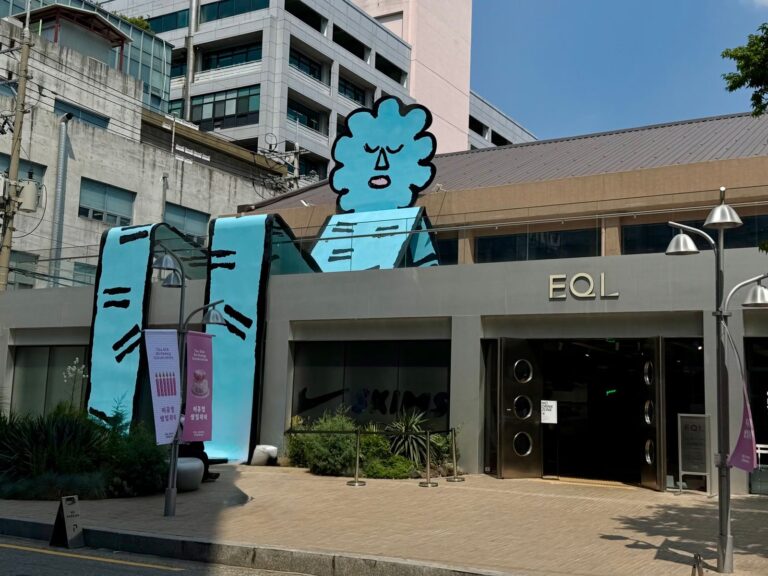
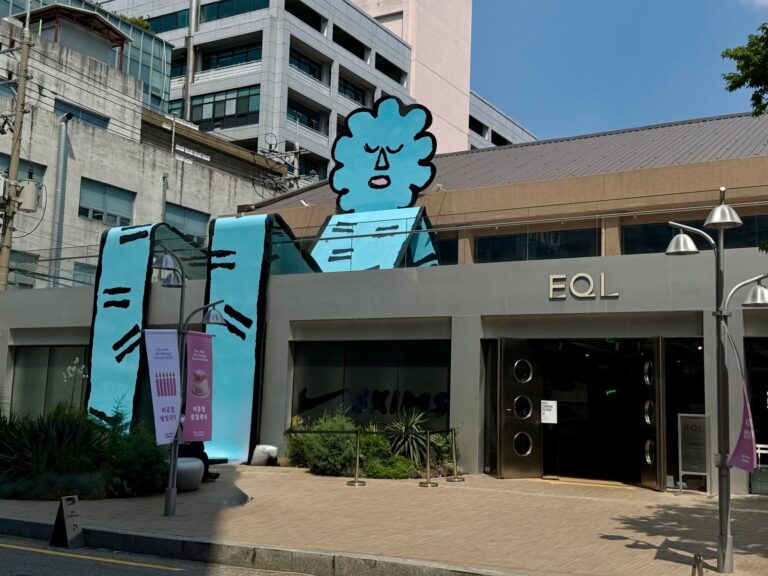
On my trip I combined Seongsu, Jamsil and COEX in one day. It showed me different sides of Seoul, but I would give each traveler permission to do less. For this schedule, choose a neighborhood you actually want to explore and leave a second block flexible.
If that choice is Seongsu, save a few specific shops or cafés before going. I found it more satisfying with destinations in mind than as aimless browsing. My Seongsu visit verdict explains the tradeoffs. There is no need to cross the city simply because another fashionable stop appears on a list.
Days 3–4: give Jeonju an evening and a morning
Leave Seoul on Day 3 with enough time to reach your accommodation, put down your bag and enjoy the afternoon. I took an intercity bus from Seoul Nambu Terminal on my trip. The best choice for you depends on where your Seoul stay begins.
Jeonju’s official transport guide identifies Yongsan as a useful starting point for KTX searches and distinguishes the railway station from the city’s bus terminals. Check your date on Korail’s official English site, then compare the whole journey with a bus using the Seoul-to-Jeonju transport guide. Do not assume the station or terminal is inside Hanok Village.
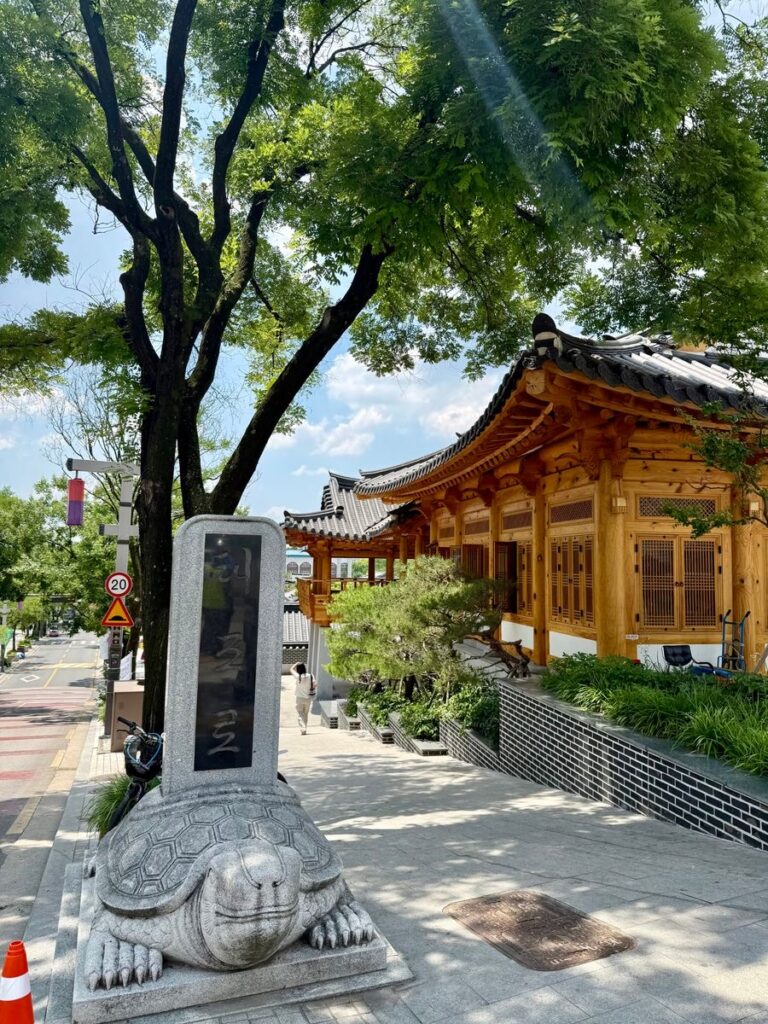
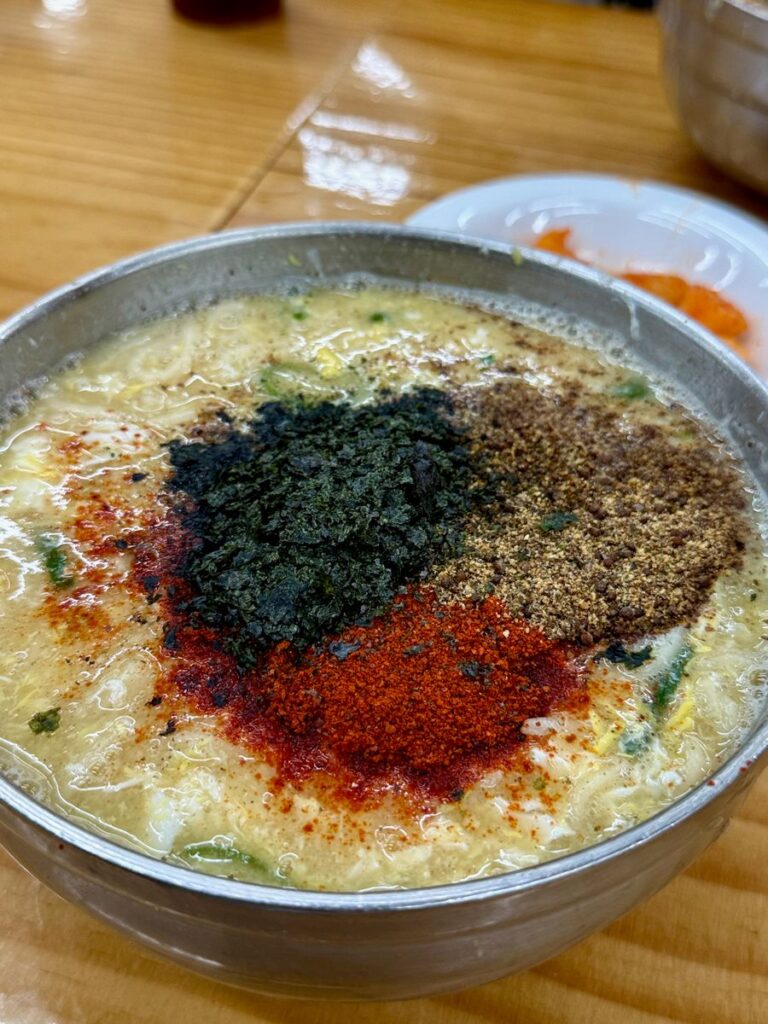
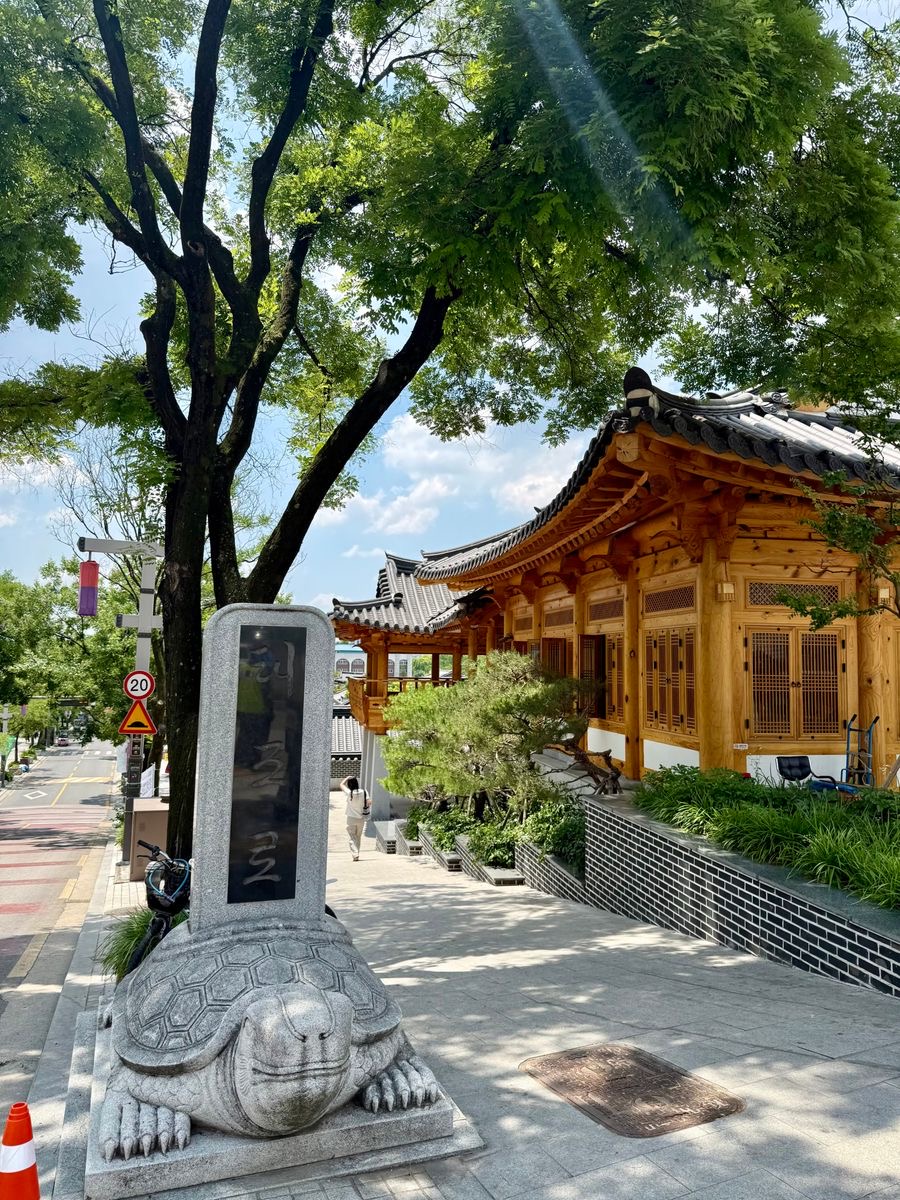
Use the afternoon for the village and a meal, then let dinner be the reason to stay overnight. In Jeonju I enjoyed the slower rhythm of eating, walking and stopping for coffee; hot weather also made breaks welcome. Filling every gap with another sight would work against the appeal of this stop.
On Day 4, keep the morning and lunch in Jeonju before your return journey. Choose your walking stops with the official Hanok Village map and the detailed two-day Jeonju itinerary. That guide handles the local sequence; here, the important boundary is leaving time to collect your bag and reach the correct departure point.
Book the return around the afternoon you want, then keep your first evening back in Seoul easy. I would avoid putting a prepaid event immediately after an intercity arrival.
Day 5: visit Suwon with a day bag
Keep the Seoul room and take only what you need for the day. My Suwon visit included the northern fortress area, fried chicken, Hwaseong Haenggung Palace, a café and more shopping later. It was one of the fullest days of the trip. For this version, the fortress, lunch and palace are enough of a core.
Suwon Station and the historic sightseeing area are separate parts of the journey. The Suwon Cultural Foundation’s current access page lists public-transport connections by destination. Choose your starting gate or sight before plotting the final local connection, and check the live route for that day.
Use the Seoul-to-Suwon day-trip guide for the transport choices and walking order. If the weather is poor or your legs need a break, swap this with the flexible Seoul day. Keep any admission requirements and opening notices attached to the date you actually visit.
Days 6–7: finish in Seoul, close to your belongings
Day 6 is the breathing room in the plan. Use it for a missed Seoul priority, a meal with friends or shopping that would have been inconvenient before the Jeonju overnight. I found Myeongdong useful at this stage because I could bring purchases back to my accommodation instead of carrying them through every outing.
Choose your final Seoul base for the journeys you expect to make, using the Seoul neighborhood comparison. Returning to the same property may simplify things, but it still means separate reservation dates around the Jeonju night.
Day 7 depends on your flight. I visited Ikseon-dong and other central Seoul stops before leaving on my own departure day, but that should not become a requirement for yours. If time allows, choose one short outing near your base, collect your luggage and leave for the airport with a buffer. Check the correct terminal and current transport schedule before deciding when sightseeing must end.
Arrange the luggage before committing to the route
- Ask the Seoul property about the gap night. Storage between two stays is a request, not an included entitlement. Confirm whether it is available, any charge, collection hours and what they will accept.
- If storage is unavailable, plan to take your bag to Jeonju. Compare station or terminal transfers and accommodation access with the bag you will actually carry.
- Keep essentials with you. Medication, documents, valuables and what you need overnight belong in your own travel bag.
- Check access before arrival. Early bag drop and storage after checkout in Jeonju also depend on the property. Have a plan if the room is not ready.
These details matter more than copying the exact order of my meals or cafés. A route that works with a friend’s home and car can feel quite different when you are handling every transfer yourself.
What I would reserve first
- Write down the actual arrival and departure times, then choose which six nights the trip contains.
- Check the Jeonju outward and return transport for your dates before committing to nonrefundable accommodation.
- Arrange two Seoul nights, one Jeonju night and three Seoul nights, with luggage arrangements confirmed separately.
- Check the current notices for your priority sights, then place Suwon on the better day and leave the other Seoul day flexible.
The part of this trip I would keep is the contrast: Seoul for the city interests I still enjoy, Jeonju for an unhurried overnight and Suwon for a full historic outing. With six nights, that is enough variety. Make the luggage and return journeys work first, then leave room to enjoy each stop.