Jeonju Travel Guide: Plan Your First Visit
For a first Jeonju visit, plan around Hanok Village, regional food and one night away from Seoul—provided those interests justify the intercity journey. Choose your arrival and departure first, stay close to the historic center, and leave space between meals. Jeonju works best when you want time to wander, rather than another city to tick off.
This Jeonju travel guide helps you make those decisions before building a detailed route. On my overnight visit with a Korean friend, we stayed near Hanok Village, explored the surrounding historic sites and made food a substantial part of the trip. I particularly enjoyed the quieter feel of Jeonju Hyanggyo and taking a break by the river.
Official visitor and hotel information checked October 4, 2026. Personal observations and the featured photograph describe my earlier visit. Confirm date-specific transport, attraction access and booking conditions before paying.
Jeonju travel guide: is it right for your Korea trip?
Jeonju is a good fit if your ideal afternoon includes traditional architecture, a small historic site, a local meal and an unhurried walk. It is especially appealing on a return Korea visit when you want a change from Seoul’s shopping districts.
I would be more selective on a first Korea trip lasting only four or five days. Packing, checking out, reaching a station and transferring again in Jeonju all take time. If your Seoul list is already full, keeping your accommodation in one city may give you a better trip. The first-visit Seoul planning guide can help you decide what you would be giving up.
Set expectations for Hanok Village, too. It is a lively visitor district with shops, cafés and hanbok rental businesses, alongside traditional buildings and cultural sites. On my trip, the appeal came from combining the busy streets with quieter places nearby. You do not need to rent a costume or photograph every lane to enjoy it.
How much time should you give Jeonju?
- A day trip: reasonable if you mainly want the village core, one historic stop and a local meal. Compare the full door-to-door journey with the hours you will actually have there.
- One night: my preferred starting point for a first visit. It gives you an evening meal and another morning without fitting everything between two intercity journeys on the same day.
- Two nights: consider this if you deliberately want a slower food and café trip, have a particular cultural activity in mind, or need shorter walking days. Do not add the night just to complete a longer checklist.
Count usable time rather than calendar dates. A late arrival followed by an early departure can leave less sightseeing time than a well-planned day trip. Before reserving a room, write down when you could reach the village, when you must leave it, and whether your most important meal or attraction fits between those times.
Once those boundaries are clear, use the two-day Jeonju itinerary for a practical walking sequence. Keep that route flexible if the weather, opening times or your energy change.
Understand the geography before choosing your base
Use the official Hanok Village map to separate three parts of the visit: your station or terminal, your accommodation, and the places you want to explore. Arriving in Jeonju does not mean you have arrived at Hanok Village.
For a short stay, the useful sightseeing core is the village and its immediate surroundings. Gyeonggijeon and Jeondong Cathedral form one obvious focus; the river provides another. Jaman Mural Village and Omokdae add slopes and steps. On my visit, those uphill sections made leaving our luggage at the hotel especially worthwhile.
The railway station, express-bus terminal and intercity-bus terminal are separate arrival points. Save the precise destination on your ticket and check the onward route to your accommodation. For the main choice between rail and coach, read the Seoul-to-Jeonju transport comparison; confirm actual departures and fares in the operator’s booking system for your date.
You can plan a village-centered visit without renting a car. Allow for local transfers from your arrival point and any meal outside the central walking area. A compact map does not make every part of the city one continuous sightseeing walk.
Choose accommodation for the evening you want
For one night, I would first compare places in or close to Hanok Village. That makes it easier to put down your bag, explore, return for a break and go out again. A station-adjacent room may suit a very early departure, but check how much extra travel it adds to the rest of the visit.
Then decide whether the accommodation itself is part of the experience. For a hanok stay, check the actual sleeping arrangement, bathroom, access and cooling or heating in the room you are booking. For a modern hotel, check the same practical details rather than assuming the property name tells you everything.
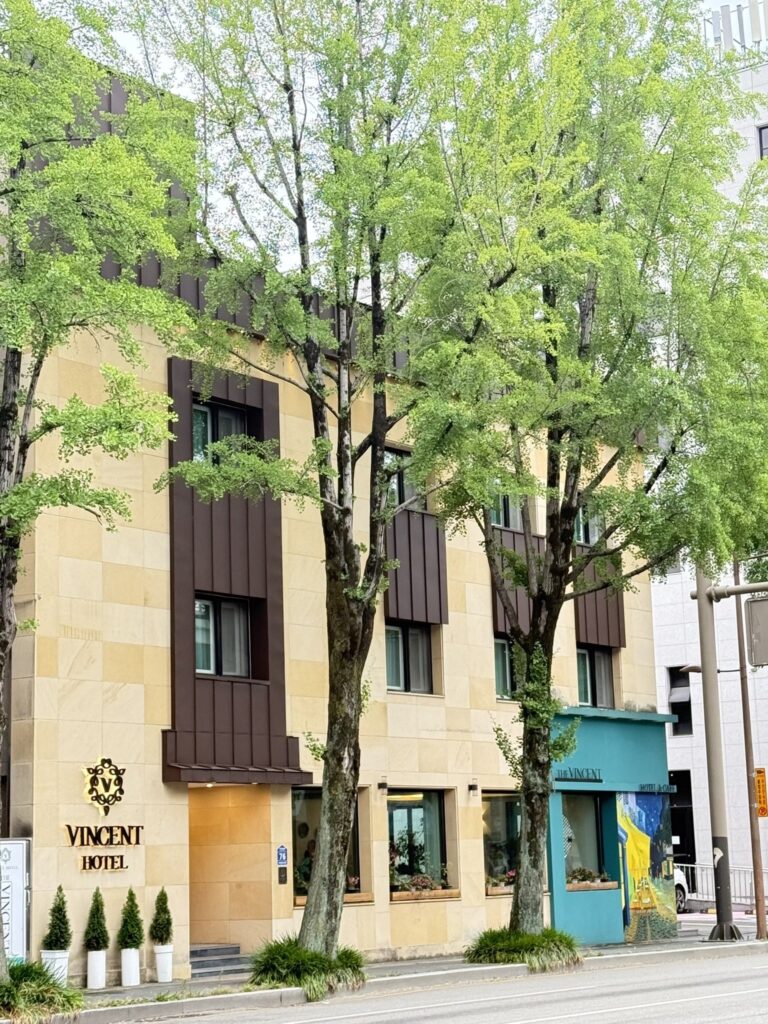
I stayed at The Vincent with my friend and appreciated having a comfortable modern room near the historic area. Its official location page lists 76 Jeollagamyeong-ro. My The Vincent Hotel review explains the room, breakfast and atmosphere I experienced so you can judge whether it suits you.
Compare the total for your dates and guest count, the cancellation deadline and the specific room. Ask about luggage storage and your arrival time before building a sightseeing day around either service.
Affiliate disclosure: If you book through the following link, I may earn a commission at no extra cost to you.
Check The Vincent room options for your dates on Booking.com
Pick a few priorities, then leave room around them
For history and architecture
Start with Gyeonggijeon, the shrine associated with the portrait of King Taejo, founder of the Joseon dynasty. It gives historical context to a visit that could otherwise become mostly shopping and snacks. The Korea Tourism Organization listing provides visitor information.
Check access before fixing your day: the KTO listing and the city’s cultural-sites page currently give different opening hours for Gyeonggijeon. Confirm directly before relying on an early opening or late admission. An open village street does not mean the shrine, museum or other cultural facilities are open.
For a quieter walk
Jeonju Hyanggyo felt more restful to me than the main shopping streets. The riverside around Namcheongyo was another welcome change of pace. Treat these as alternatives to filling every hour with paid activities, and check any site-specific access notices on the city’s cultural-sites page.
For views and hillside lanes
Consider Omokdae or Jaman Mural Village if you enjoy walking and the conditions suit you. I found the accumulated heat and uphill walking noticeable. Choosing one, or leaving both out, is a sensible adjustment if you are tired. These sections should not determine whether the whole trip feels successful.
Plan meals by appetite and company
Start with one or two dishes you really want, then leave the other meals open. A substantial noodle lunch followed by snacks and a shared dinner can fill the day quickly; several famous restaurant names do not automatically make a better food plan.
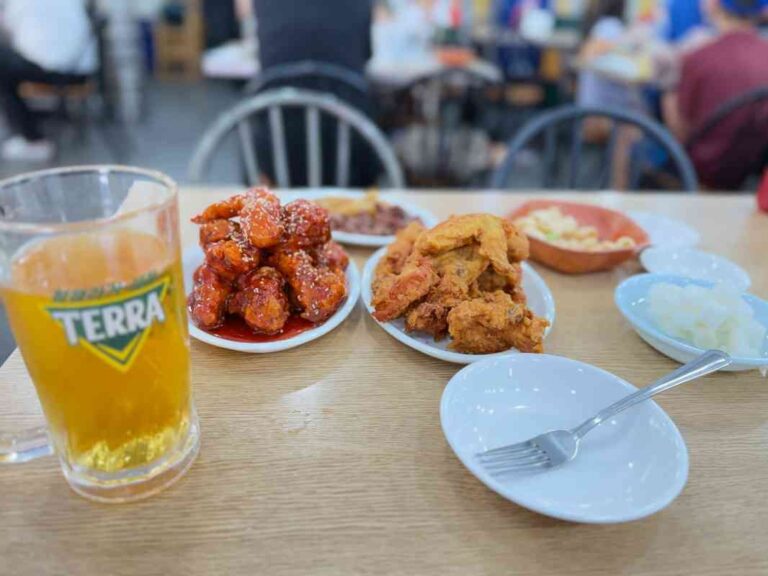
On my trip, I ate noodles at Veteran Kalguksu, bean-sprout soup rice at Hyundaiok, and grilled pork with gimbap at Owonjib. These were meals with a friend. If you are traveling alone, individual bowls are a practical place to start, while a table-sized spread needs a closer look at portion sizes and minimum orders.
The Jeonju food guide explains those dishes and the sharing decisions in more detail. Check the exact restaurant branch’s hours and menu, and avoid putting an essential meal immediately before your departure. Food stops outside the village core need their own travel allowance.
What to arrange before leaving Seoul
- Choose the dates and usable hours. Decide what would make the detour worthwhile, then compare it with the time you have elsewhere in Korea.
- Match transport and accommodation. Confirm the arrival point, room location, bag arrangements and onward departure before committing to a tight schedule.
- Check one essential attraction and one essential meal. Verify current access and opening information for those priorities. Leave the rest flexible.
- Save the names you will need. Keep your accommodation’s Korean name and address, the precise station or terminal, and restaurant branch names accessible on your phone.
- Build the budget from your bookings. Include intercity transport in both directions, local transfers, the room, meals and any paid entries or activities. Historical trip prices are a poor substitute for quotes for your own dates.
For a hot or wet day, reduce the outdoor walking and protect time for meals and breaks. If you need step-free access, confirm individual entrances, routes and room layouts directly; a shorter route is not automatically an accessible one.
My recommendation for a first visit
Choose Jeonju when you want traditional streets, regional meals and time to slow down. One night near Hanok Village is a useful starting point, with transport fixed first and a small number of priorities inside the available hours. That leaves space for the parts I enjoyed most: stopping somewhere quieter, sitting down when I needed a break, and having an appetite for the next meal.