Seoul Travel Guide: Plan a First Trip Without Overpacking It
For a first Seoul trip, I would allow four full sightseeing days, choose one base near the routes you will actually use, and plan one main area per half day. Three days can work if you make firm choices; five or six gives you more room for shopping, slower meals and a trip outside the city. Count arrival and departure separately before deciding how much fits.
This Seoul travel guide helps you make those decisions in the right order. On my recent Korea trip, I mixed Seoul with an overnight stay in Jeonju and time in Suwon, visiting friends along the way. It was enjoyable, but the luggage moves and full days are not the pattern I would copy for a short first visit.
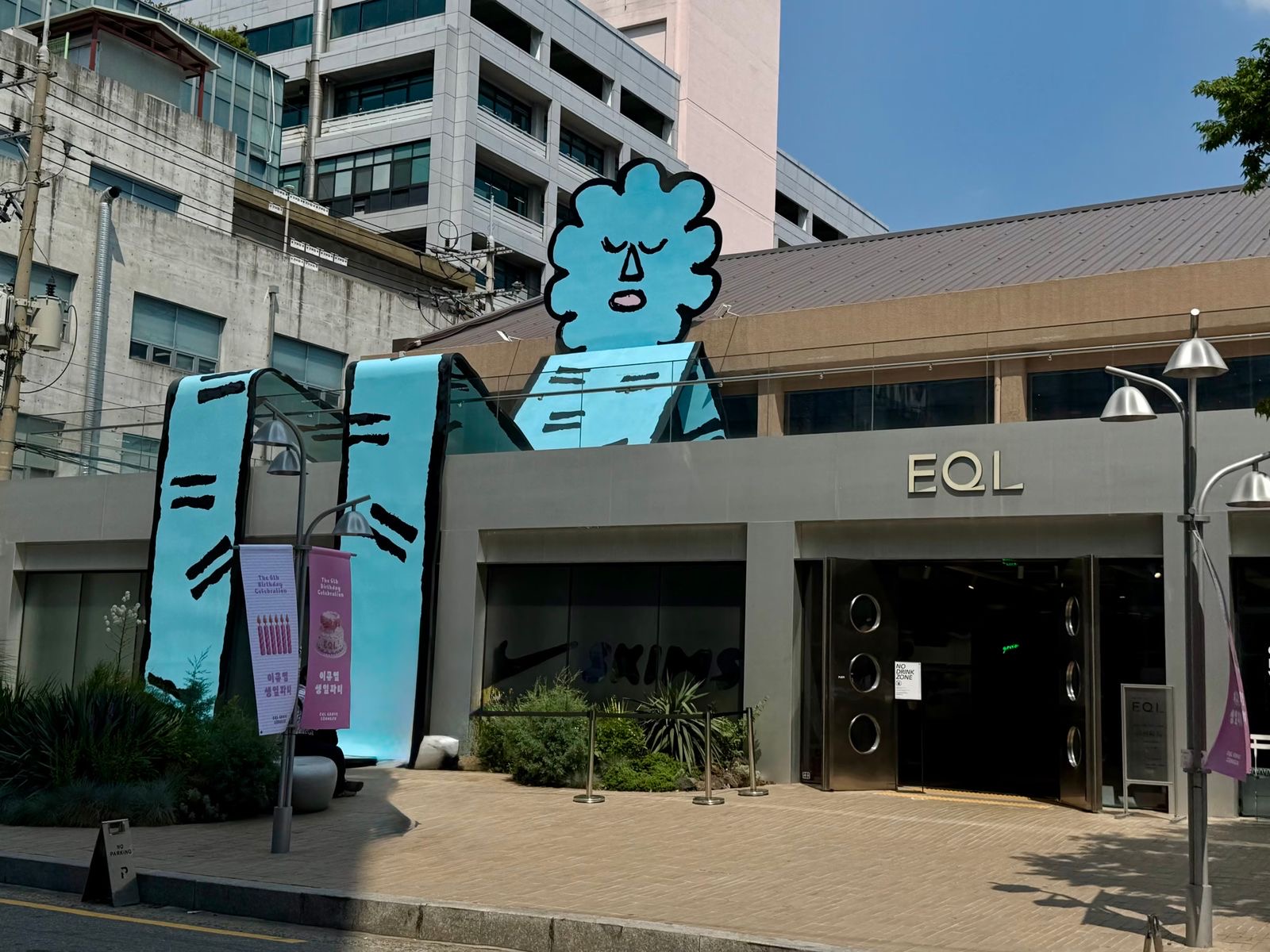
Transport and palace information checked October 2, 2026. Personal observations describe my earlier trips. The featured photograph shows a Seongsu storefront during an earlier visit; displays change. This article contains an affiliate link; if you book through it, I may earn a commission at no extra cost to you.
Seoul travel guide: decide these four things first
- Count usable days. A four-night booking is not necessarily four sightseeing days. Write down when you reach your accommodation and when you must leave for the airport.
- Choose three priorities. For example: a palace, Korean food and shopping. Give each a useful block of time before adding cafés or places seen on social media.
- Choose your base around those priorities. Check real transit journeys from two possible properties, including the walk from the station exit.
- Put fixed commitments in first. A performance, reservation or palace closure belongs on the calendar before flexible browsing.
If there are only two full days, I would stay in Seoul and cut optional districts. With four, there is space to see different sides of the city without changing accommodation. An extra day is most useful when it gives an existing interest more time, rather than becoming an excuse to add another long journey.
Build your days by area, not by a list of famous places
A café can look close to a landmark on a citywide map and still create an awkward detour. Save exact pins, then look at the route between them. My practical limit would be one major move between areas during a sightseeing day, with a nearby meal and an optional stop on either side.
These are suggested combinations to choose from, not a record of my route or four compulsory days:
| What you want | A manageable focus | What to leave flexible |
|---|---|---|
| History and traditional streets | Gyeongbokgung, then time around Insadong or Jongno | A second palace; keep it for another day if the first takes longer |
| Food and practical shopping | A Namdaemun meal and Myeongdong browsing | Extra shopping stops once bags become inconvenient |
| Cafés, brands and a park | One chosen Seongsu stop, nearby streets and optional Seoul Forest time | Pop-ups without confirmed opening details |
| Modern Seoul or indoor time | COEX as a main destination, with a nearby meal | Jamsil as a separate outing instead of automatically adding it |
On my trip, Seongsu, Jamsil and COEX ended up in the same day. I would split that combination for a first visit unless each move has a clear purpose. I also found June walking hot enough that breaks mattered; whatever month you travel, leave a weather-dependent outdoor section that you can shorten.
Check palace closures before assigning the days
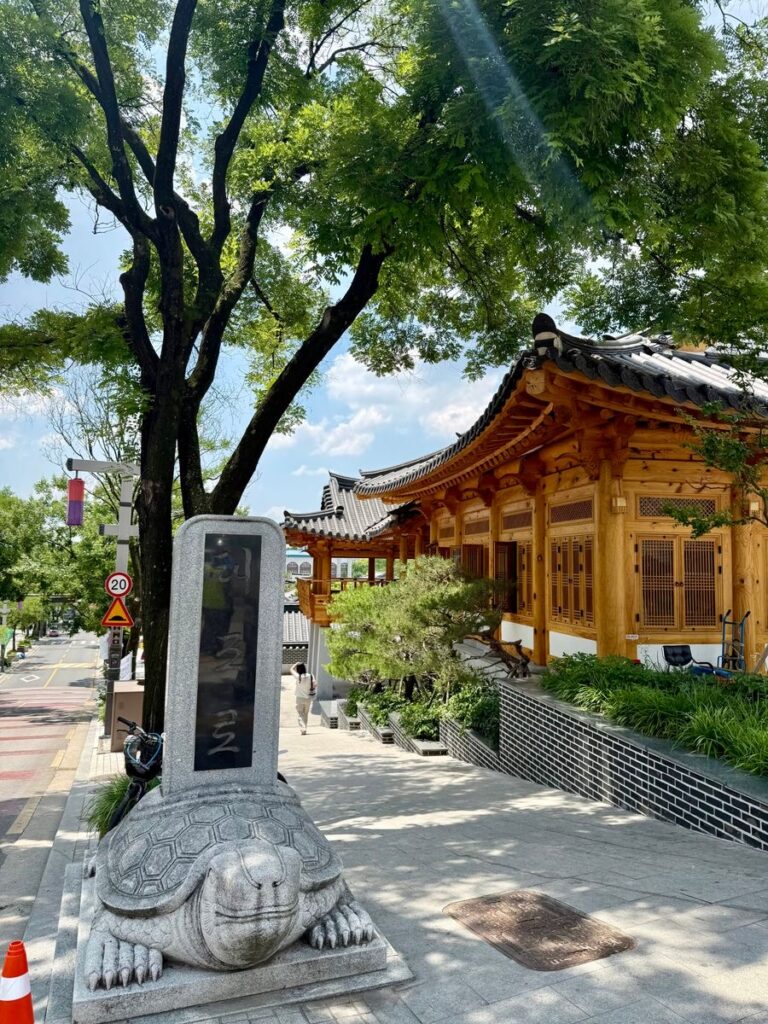
Visit Seoul’s Gyeongbokgung page currently lists Tuesday as the regular closure day, with holiday exceptions that can shift the closure. It also lists seasonal hours and last entry one hour before closing. Check the notice for your actual date before building the rest of the day around the palace. Evening programs may have separate arrangements; a normal daytime plan does not establish access to a special event.
Make Seongsu earn its place
Seongsu is easier to enjoy when you know which shop, café or exhibition interests you. I visited with Korean friends and enjoyed our meal and café stop more than browsing without a particular goal. My Seongsu visit guide explains the tradeoffs and a flexible half-day approach. For a short first trip, keep it optional if brands and cafés are not a priority.
Choose a base, then check the room
Start with the places you will return to repeatedly. If shopping is a major part of the trip, the ability to drop bags off can matter more than shaving a few minutes off one sightseeing journey. I appreciated exactly that during the Myeongdong portion of my stay.
Use the Seoul neighborhood and accommodation comparison to narrow the area. Then compare the individual properties on arrival access, room type, noise, cancellation terms and luggage storage. A good neighborhood cannot compensate for a room that prevents you from sleeping.
For a concrete example, my Myeongdong Sleep Box review covers the shared-room compromises as well as the location. Confirm the current room and storage arrangements with the property you choose. I would keep one base for a short city stay unless an early departure or a trip elsewhere gives a hotel move a clear benefit.
Plan the airport journey all the way to your door
First check whether your flight uses Incheon or Gimpo and which terminal applies. From Incheon, the important rail distinction is AREX Express versus the all-stop train. The Express links the airport with Seoul Station; the all-stop route also serves stations such as Hongik University. The official airport-to-Seoul overview shows the route and other transport options.
Choose based on the whole journey. Reaching Seoul Station is only one stage if you still need a subway transfer and a walk with luggage. For a Hongdae base, compare the all-stop route to Hongik University before buying an Express voucher. An airport bus can be worth checking when its stop is convenient for your accommodation; confirm the actual stop, direction and departure time with the operator.
I took AREX to Seoul Station on my recent arrival, but a friend collected me there. That final connection was personal to my trip. Plan your own onward route rather than assuming the rail station completes the transfer.
If the Express fits, check AREX Express voucher options on Klook. Select the correct direction and terminal, and read the activation and seat-selection instructions before paying. The listing currently states that cancellations, refunds and changes are not available, so check the terms of the option you select. You can also compare with the operator; a voucher is not necessary for every airport journey.
For a late arrival, verify the last usable service and a backup before departure. Allow for immigration, baggage collection and walking to transport instead of treating the flight’s landing time as a boarding time.
Make everyday navigation easy before you arrive
Save your accommodation’s Korean name, address and check-in instructions offline. Keep a map list of actual entrances rather than neighborhood names alone. I used NAVER Map links when planning and recording my Korea stops; having the Korean place name is useful when similar English names appear.
The official Seoul transport guide explains subway signs, numbered exits and Tmoney, a rechargeable transport card sold at many convenience stores. Tap at the subway gates when entering and leaving. Check the fare and accepted top-up method where you buy or reload your card; do not assume your usual bank card or phone wallet will work for every step.
For each day, save the return route as well as the outward one. If stairs are difficult or you have a heavy suitcase, check elevator access separately from the shortest walking directions. Arrange a workable mobile-data plan or roaming before relying on live navigation, and keep essential addresses available without a connection.
Plan meals around what you can comfortably order
For independent travelers, one useful restaurant is better than a long list with unclear portions. Check the menu and minimum order before joining a queue, especially for dishes designed to share. Keep a nearby alternative so a closed restaurant or a long wait does not determine your afternoon.
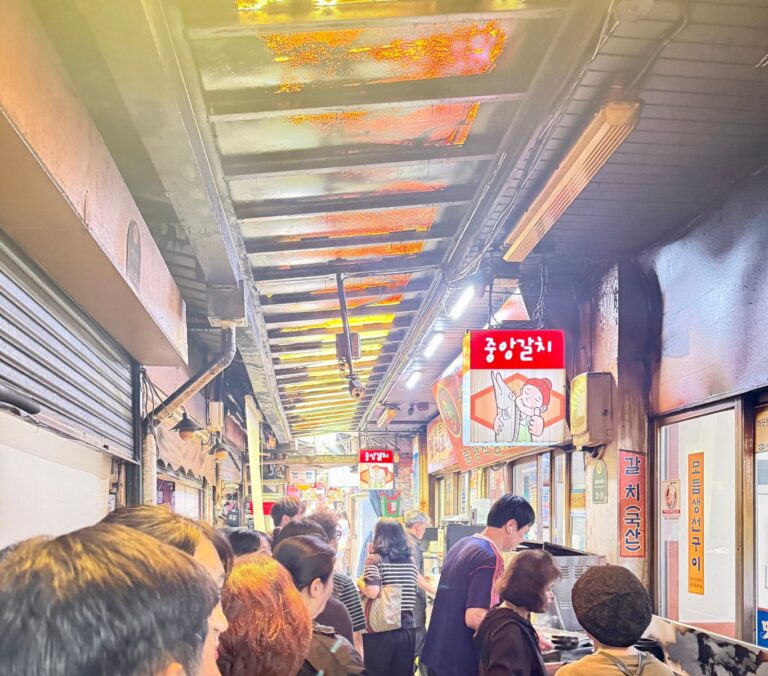
If spicy fish appeals, the Namdaemun Hairtail Alley dining guide gives a specific example of ordering a meal for one and what the dish is like. Treat an earlier successful order as practical context, then confirm the restaurant’s current policy and price.
I would leave at least one meal per day unbooked. That gives you room to eat when you are hungry, sit down after walking or stay longer somewhere you enjoy. A food-centered visit still needs space between meals.
Set a budget from your choices, not an old daily average
Price the room for your exact dates first, then add return airport transport, local journeys, meals, paid sights and the shopping amount you are comfortable spending. Compare the final accommodation total and cancellation terms, not only the first nightly figure shown.
Keep these costs separate:
- Committed costs: accommodation and any prepaid reservations you decide are essential.
- Daily costs: meals, transit and café breaks, with room for a different restaurant or an extra journey.
- Optional spending: shopping, extra attractions and an out-of-town excursion.
If the total is too high, first remove an optional paid activity or unnecessary move. Compare accommodation savings against the extra commuting and room compromises they introduce. This approach is more useful than treating another traveler’s old trip total as a current Seoul price.
When to add Jeonju or another city
I would protect the first few full days for Seoul. On a longer trip, Jeonju can offer a different pace, but it works better when you allow enough time to enjoy it. My visit included an overnight stay, meals and walking rather than a quick stop between long transfers.
Read the Seoul-to-Jeonju transport comparison and two-day Jeonju itinerary before allocating the nights. They handle the transport and local sequencing; the decision here is whether that detour serves your trip better than another unhurried day in Seoul.
What to have ready before leaving
- Your usable-day count, three priorities and one flexible block for weather or fatigue.
- Accommodation confirmation, Korean address and arrival instructions.
- An airport route with the correct terminal, final connection and late-arrival backup.
- Current opening notices for your main sight and the terms of any prepaid booking.
- A working navigation plan, essential saved addresses and a way to pay for local transport.
A good first Seoul trip does not need every fashionable district. Give your main interests enough time, keep the accommodation convenient for the routes you chose, and leave yourself room to enjoy a meal or neighborhood without immediately moving on.