Palau Travel Guide: How to Plan Your First Trip
For a first trip to Palau, I would start with a Koror base, enough time for two unhurried days on the water, and a clear plan for the journeys between the airport, hotel and boat. A five-day trip can work, but count the hours you actually have on the ground before deciding that five calendar dates are enough.
This Palau travel guide helps you decide whether the destination suits you and put the main decisions in order. My own five-day, four-night trip combined snorkeling, a scenic flight and time in Koror. I traveled with a companion and arranged outings locally; the recommendations below include things I would organize earlier next time.
Planning information checked October 1, 2026. This article contains an affiliate link. If you book through it, I may earn a commission at no extra cost to you.
Palau travel guide: the decisions to make first
| Decision | A practical starting point | What could change it |
|---|---|---|
| Is this the right destination? | Choose Palau if marine scenery and time on the water are major reasons to travel | Limited interest in boats or swimming makes the choice of accommodation and land plans more important |
| How long? | Allow at least three full usable days between arrival and departure for a short first visit | Long connections, a slower pace or more specialized interests justify extra nights |
| Which base? | Look at central Koror for a trip built around outings and independent meals | A stay centered on the property itself needs different facilities and access |
| What to reserve first? | Check entry eligibility and travel dates, then coordinate accommodation and the outing you most want | Minimum participant numbers and cancellation terms may constrain the plan |
| How much to budget? | Add confirmed transport, room, excursion and permit costs before optional extras | Solo room costs, private services and additional paid outings change the total |
Is Palau a good fit if you do not dive?
Yes, if snorkeling and being out among the islands appeal to you. My trip was built around snorkeling rather than a scuba-diving schedule. The fish and underwater scenery were a highlight, but I also learned that poorly fitting fins can dominate an otherwise beautiful outing. Comfort in the water and the practical setup matter as much as the list of stops.
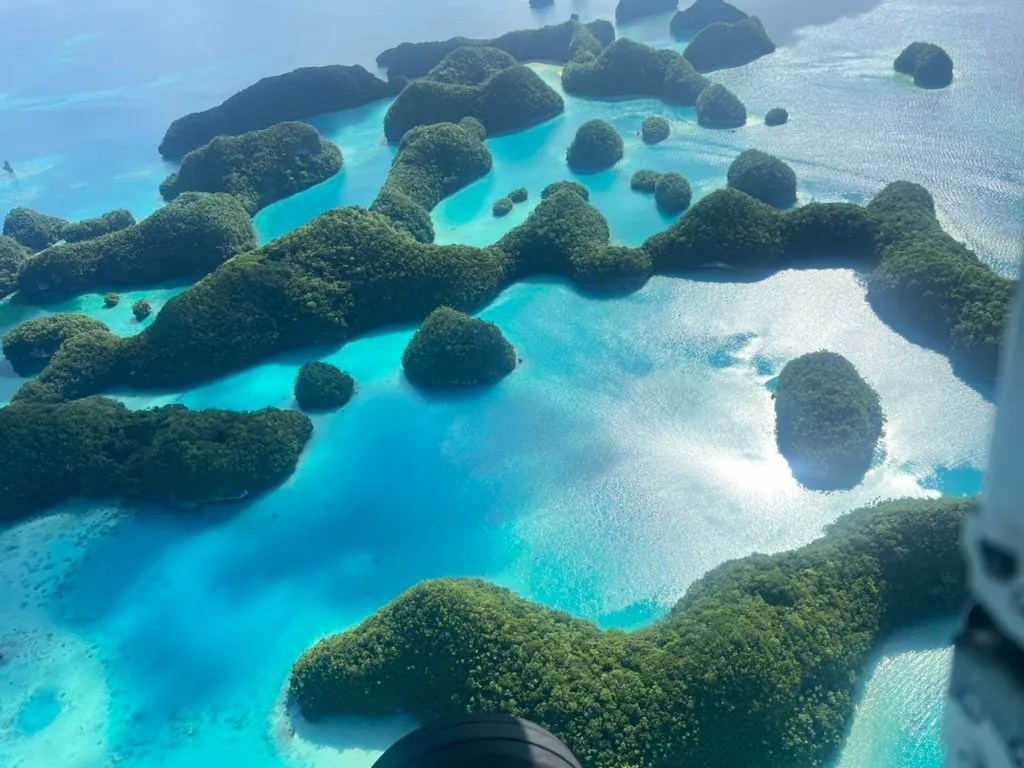
The UNESCO-listed Rock Islands Southern Lagoon contains forested limestone islands, reefs and marine lakes. That combination helps explain why Palau rewards time on the water. It does not mean you need to book every possible excursion.
If you prefer to stay dry, decide what would make the trip worthwhile before committing. A scenic flight, cultural visit or time at a property may appeal, but do not assume a snorkeling itinerary will suit you simply because it includes beaches. Ask whether you can comfortably remain aboard during swim stops, and what boarding and shore access involve. A non-diver and a non-swimmer have different needs.
I visited the Belau National Museum in Koror during my trip, which gave the visit a cultural element beyond the water. Check its current visitor information for your dates rather than carrying an old admission price into your budget.
How many days should you allow?
For a short first visit, I would aim for three full days plus the arrival and departure time you need. That gives you room to prioritize the water, add a different experience, and avoid making every hour a booked commitment. This is a planning recommendation, not a minimum needed to enter the country or a promise that every excursion will operate.
Count usable days from the actual flight times. Landing in the evening and leaving early on the fifth date gives you three full days; a different flight pattern may give you more or less. Check room dates carefully around midnight arrivals. An extra night can buy useful flexibility, especially when a particular outing is the reason for the trip.
My five-day visit was active. It is a useful reference for what can fit, but travelers who want long breakfasts, recovery time or fewer boat days should slow it down. Use my five-day Palau itinerary without a car once you are ready to turn the available days into a route.
Choose dates with room for changes
Before settling on dates, compare the travel schedule, the number of usable days and the terms for changing your main outing. IMPAC’s current Rock Islands excursion page says stops and sequencing can change with tides and weather. A named stop on a sample route is not a guaranteed appointment.
I would put the most important water day earlier in the stay and leave some room afterward. Ask what happens if the operator cancels, whether a later place is actually available, and whether a refund or a reschedule applies. Extra time helps only if the booking conditions allow you to use it.
Choose your base around how you will spend the day
Start by deciding whether the accommodation is mainly a comfortable place between outings or a major part of the holiday. For the first kind of trip, check breakfast timing, pickup coverage, places to eat nearby and how you will get back after dinner. For the second, investigate the property’s facilities and actual access to the shore instead of treating an ocean view as equivalent to a usable beach.
I stayed at Palau Central Hotel and found the location convenient and the room comfortable. We did not choose a sea-view room, and we did not use the pool because so much of our time was spent out on the water. Those are useful tradeoffs to think about before paying for features you may barely use.
The hotel’s official site places it in downtown Koror. My Palau Central Hotel review explains the room, breakfast and stay in more detail. It is one property I can discuss from experience, rather than a comparison based on stays at several Palau hotels.
Check Palau Central Hotel rates for your dates, then compare the same room, taxes, breakfast and cancellation conditions with a direct quote. A lower headline price is not necessarily the same booking.
Independent travel still needs some arranged transport
You can make your own trip decisions while using local operators for individual days. I booked the travel and accommodation first and asked the hotel to help organize outings after arrival. That worked on my visit; I would now confirm a must-do outing before traveling, including the route, language, meeting arrangements and total cost.
The airport is in Airai. Palau International Airport’s official access page estimates a 20–30-minute drive to Koror and says cabs do not wait at the airport. Arrange the ride in advance. A no-car trip depends on confirmed connections, including return rides from evenings out.
If you are booking alone, ask whether your departure is confirmed at the quoted price. IMPAC currently lists a two-adult minimum for its Rock Islands excursion; that is an operating condition, not a statement that every solo traveler must buy two seats. The operator needs to confirm whether you can join an existing departure.
Before selecting a boat day, read my Rock Islands snorkeling experience and booking questions. It covers the differences that matter beyond a similar-looking collection of place names. Do not assume Jellyfish Lake is included in a general Rock Islands outing; ask about the exact route and permission needed for your date.
Build the budget from the trip you will actually book
I would use a short cost sheet rather than a single daily allowance. A night when you share a room and an afternoon spent locally have a different cost structure from a day with a private service or several paid experiences.
- Getting there: the complete return journey, luggage, connections and any necessary overnight stop.
- Accommodation: all required nights, the final taxed room price and any breakfast charge.
- Main outings: the confirmed rate for your party size, with pickup, food and equipment inclusions written down.
- Permits: ask which permission your exact route requires, what it costs and whether you already have valid coverage for another day. Keep this separate until the operator confirms inclusion.
- Daily spending: meals not provided, local rides, connectivity and small purchases.
- Flexibility: an amount you can leave unspent for changes rather than committing the entire budget to extras.
The Bureau of Customs and Border Protection states that the US$100 Pristine Paradise Environmental Fee is included in international airline tickets into Palau, with exemptions and refund rules for specified travelers. Check the fare breakdown so you do not automatically add it twice. Do not assume it also covers excursion permits.
Ask each provider about payment before traveling, including the card brands accepted, cash requirements and any added charges. Historical prices from my trip would not be a reliable quote for yours.
Put entry preparation early in the process
Check the requirements for your passport and route before making nonrefundable commitments. Review the immigration bureau’s current notices as well as its general guidance; nationality-specific requirements need an individual check.
The official Palau Entry Form portal currently requires submission within 72 hours before departure and a QR code for check-in and arrival. This form window does not replace earlier visa or clearance preparation that may apply to you.
Use the Palau arrival guide for paperwork, pickup and first-night preparation when you are ready for the detailed checklist. Keep confirmations and contact details available offline, including the person to call if your flight or pickup changes.
What I would settle before packing
My most useful preparation would be a few clear answers, rather than a longer sightseeing list: which outing matters most, whether its departure is confirmed, how I reach it, and what happens if it changes. I would also check the fit of snorkeling equipment before the boat leaves, and discuss swimming ability and any assistance needed with the operator in advance.
Pack around the confirmed plan: clothing for time on the water, a dry change, rain protection, a way to protect electronics and any personal equipment you know fits. Ask the operator about current local sun-protection requirements rather than relying on a vague label on a bottle.
Palau worked well for me as a trip with a comfortable base and substantial time outside. For a first visit, choose the experience you care about most, give it enough usable time, and make the supporting arrangements clear. Then leave yourself some space to enjoy being there.
To turn those budget components into a number, use my five-day Palau cost model. It separates published price examples from spending allowances and shows how the total changes when you share a room or pay for it alone.