Myeongdong Sleep Box Review: Location, Luggage and Noise
Sleep Box works best if you want a convenient Myeongdong shopping base and can sleep comfortably in a busy shared room. I stayed for the final two nights of my Seoul trip. The location made dropping off shopping and organizing my departure day easy; the noise and limited privacy were the main compromises.
This Myeongdong Sleep Box review focuses on what mattered during that stay: where my luggage went, what I could hear from bed, the shared bathrooms, and whether the convenience was worth the tradeoff. If quiet sleep is your priority, I would compare private rooms before booking a dorm bed here.
This article contains an affiliate booking link. If you book through it, I may earn a commission at no extra cost to you.
Myeongdong Sleep Box review: the quick decision
- Best reason to stay: being able to return with shopping bags, drop them off, and head out again.
- Biggest drawback: sound from other guests and the nearby bathroom area in the large shared room I used.
- Luggage: large suitcases stayed outside the dorm in a designated area during my visit; separate lockers held valuables.
- Space: compact communal areas, rather than a spacious lounge to spend an afternoon in.
- My verdict: practical for a shopping-focused end to a Seoul trip, less appealing for light sleepers or travelers who need privacy.
Booking.com currently lists Sleep Box at 4F, 37-14 Myeongdong 8-gil, Jung-gu, Seoul. Check the address as well as the name: similarly named capsule properties are not necessarily this hostel. Confirm the exact bed type, room occupancy, bathroom arrangement, and arrival instructions for your booking.
Why the location mattered more than I expected
I had usually stayed around Hongdae on previous Seoul trips. This time I wanted to shop in Myeongdong toward the end of the trip and make the journey to the airport easier to organize.
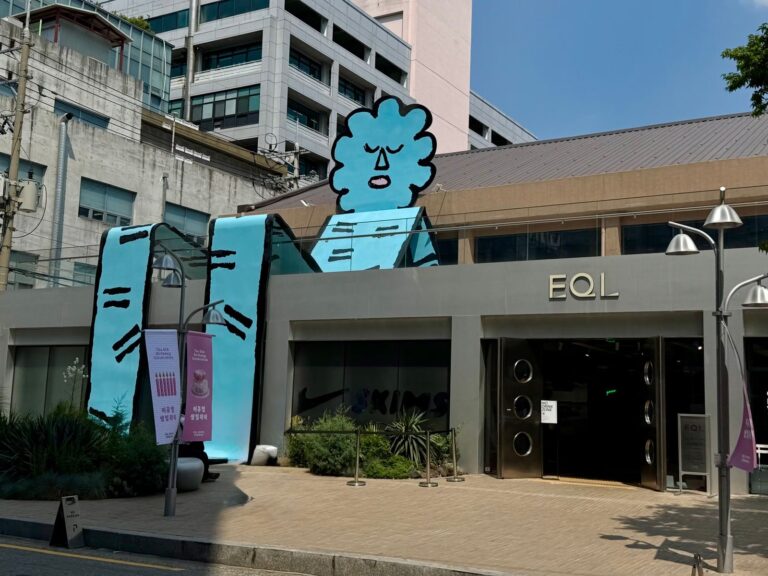
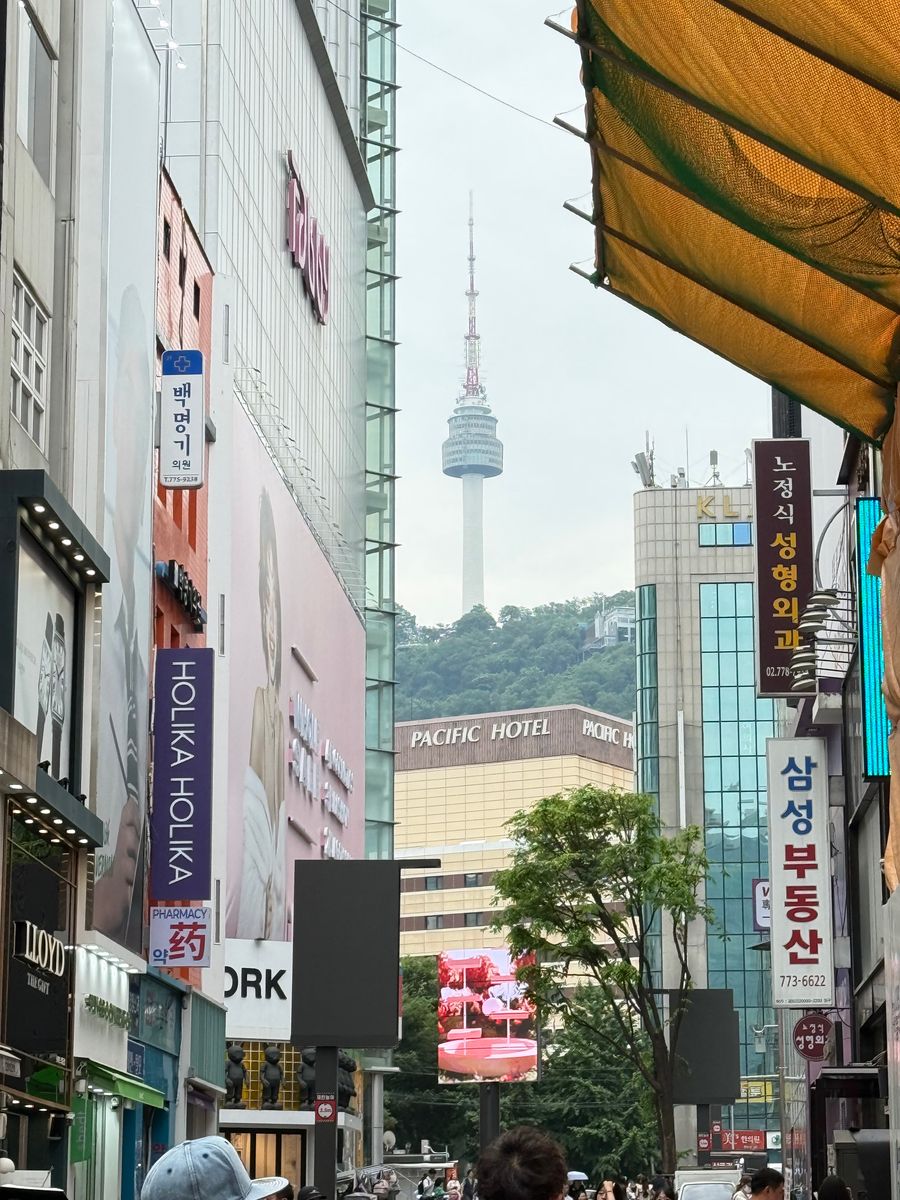
During my stay, Sleep Box felt very close to Myeongdong Station Exit 8 and the shopping streets. The useful part was not simply being near shops. I could return when my shopping bags became awkward to carry, leave them at the accommodation, and go back out with less to carry.
That makes the location particularly useful if you already know you will spend time shopping in Myeongdong. If your plans mainly center on another neighborhood, consider that itinerary first. My guide to where to stay in Seoul compares the broader area choices.
Planning the airport journey
The official Airport Limousine route 6015 page lists Myeong-dong Station and both Incheon Airport terminals. Check the correct direction, boarding point, and current timetable there before departure. A convenient location still requires a realistic traffic allowance and enough time at the airport.
I would save the hostel’s address and arrival instructions before traveling, particularly with a large suitcase. Ask the property about step-free access and the route to reception if stairs would be difficult; being on the fourth floor does not, by itself, tell you whether the entire arrival route is accessible.
Large suitcases stayed outside the dorm
During my visit, large luggage could not be kept inside the dorm. There was a designated area outside for storing and opening suitcases. I found that more practical than trying to spread a case open beside a bed in a crowded room.
The arrangement also meant that packing happened in a shared space. People had different shopping plans and flight times, so I could still hear luggage being organized late at night or early in the morning.
There were separate lockers for important belongings, with enough room for a small or medium backpack. I would keep a passport, wallet, and camera secured there rather than leave them in a suitcase in the common luggage area. Ask about the current locker dimensions and locking arrangement if you are carrying equipment that must fit.
For this kind of stay, it helps to separate the things you need overnight from the rest of your luggage before returning late. A small pouch for toiletries and the next morning’s essentials can save repeated trips to your suitcase.
Noise and privacy: the main reasons to reconsider
My room accommodated more than ten people, and the beds did not have complete individual partitions. The shower and toilet area was separated from the dorm by a wall, so it was close by but also close enough for bathroom activity to be audible.
I could hear people moving around, opening doors, using hair dryers, and sorting their belongings. Some guests came back late, while others needed to leave early. That difference in schedules matters more than a hostel’s convenient location when you are trying to sleep.
I would bring earplugs and an eye mask, but I would not rely on them to turn a shared dorm into a quiet private room. If noise, light, or unfamiliar people moving nearby regularly wake you, I would spend time comparing private accommodation instead.
My comments describe the room I stayed in. Check the current listing for your exact bed category rather than assuming every room has the same layout, occupancy, or gender restrictions. Do not infer a women-only dorm from a general description aimed at solo travelers.
Shared bathrooms and compact common areas
The bathrooms were clean just after cleaning, but they did not stay equally tidy through busy periods. With many people showering and getting ready, the floor and sink area could become messier. If consistently pristine shared bathrooms are essential to your comfort, that is a reason to be cautious.
The accommodation occupied two floors during my stay, yet the usable shared areas felt compact. The lounge had limited seating, and a few people using it at once could make it feel crowded. The breakfast area was small too.
By the second day I had adjusted to where things belonged and how to use the shared space. It worked as a place to sleep and reorganize between outings. I would not choose it primarily for a roomy social lounge or a comfortable all-day work setup.
There was a simple breakfast during my stay. Before comparing rates, check whether breakfast is included in the specific offer you select; I would not make an old inclusion the deciding factor in a new reservation.
Checkout-day luggage storage was genuinely useful
I was able to leave my luggage after checkout. That let me shop, return to pack the purchases, go out again, and collect the suitcase before leaving for the airport. For the final day of this trip, it was one of the strongest reasons the stay worked.
Confirm the current storage policy directly: the collection deadline, any charge, who can access the area, and whether you may reopen your suitcase there after checkout. Leave room in your departure plan to collect everything without rushing.
If you want a meal away from shopping stops, my Namdaemun Hairtail Alley solo-dining review explains what ordering one portion at Jungang was like and who might enjoy the dish.
What I would check before booking
- The exact shared-room layout, occupancy, and any gender or age restrictions.
- Reception and check-in arrangements for your expected arrival time.
- Access to the fourth-floor property if you have heavy luggage or mobility needs.
- Large-suitcase storage, locker size, and checkout-day collection rules.
- The total for your dates, cancellation conditions, and whether breakfast is included.
Check Sleep Box rates and room conditions
I would choose Sleep Box again only for a trip where location and shopping convenience outweighed the need for quiet and space. For travelers comfortable with dorm life, that is a useful tradeoff. For light sleepers, a private room is the first alternative I would compare.