Palmarium from Toamasina: Plan the Boat Trip and Overnight Stay
For a Palmarium trip from Toamasina, confirm the overnight lodge before paying for the boat and wildlife package. The reserve visit, the aye-aye outing and your bed may be in different places. A substitute lodge can add a substantial transfer after dark.
I learned that on a two-day trip with two friends in March 2026. The lemurs at Palmarium were the highlight, but our last-minute accommodation change meant roughly two more hours on the boat after the evening aye-aye visit. I would plan the same trip around the overnight location much more carefully next time.
This guide focuses on arranging that short east-coast trip: which access route to ask about, how to compare quotations and what to check before accepting a replacement lodge.
Palmarium from Toamasina: the decisions to make first
- Choose the lodge and confirm availability. Ask for its exact name and map location, plus the transfer from the evening wildlife visit.
- Match the boat route to your wider itinerary. Compare departure from Toamasina, also called Tamatave, with access through Manambato if you are approaching overland.
- Ask for a complete quote. Accommodation, road transfers, boats, guides, meals and the aye-aye outing should be listed separately or explicitly included.
- Protect the return day. Leave room for weather and mechanical delays before any onward flight or other fixed departure.
I would choose an overnight arrangement for a visit that includes the aye-ayes. A daytime reserve visit and a return boat journey are a different proposition from waiting for nocturnal wildlife and then traveling back. Have the operator show you the whole sequence before deciding that a day trip is practical.
Where Palmarium is, and how you reach it
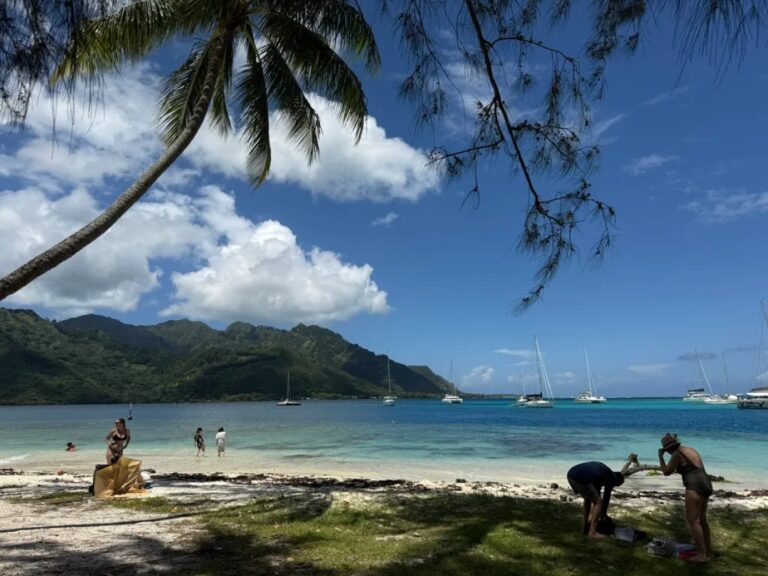
Palmarium’s official website places the reserve and hotel at Ankanin’ny Nofy, beside Lake Ampitabe on the Pangalanes waterways of eastern Madagascar. Access is by boat. The property also uses the spelling Akanin’ny Nofy in its transfer information.
My trip started in Toamasina with a vehicle transfer to the boat boarding point. Our onward boat journey took roughly three to three-and-a-half hours, including a stop along the way. That is my journey time, not a published timetable; your boarding point, stops, boat and conditions may differ.
| Access option | When to compare it | What to confirm |
|---|---|---|
| Boat from the Toamasina area | You are already staying in Toamasina and want the longer waterway journey. | Exact pickup and boarding points, road transfer, stops and expected arrival at your lodge. |
| Road approach to Manambato, then boat | You are adding Palmarium to an overland itinerary. | The full road-and-boat plan, current road conditions and where the driver hands you over. |
| A different lodge on the waterways | Your first choice is unavailable. | Its location relative to both Palmarium and the aye-aye outing, including any travel after dark. |
Palmarium’s official reservation and tariff page lists both Tamatave and Manambato transfers, with private and collective options. These are options to request and confirm; the page is not a fixed public-ferry timetable.
The accommodation change that reshaped my trip
We arranged our package through Madagascar Travel And Tours. Near the end of the booking process, we were told the originally planned Palmarium accommodation was unavailable and accepted a replacement called Le Sable Blanc. We knew it was farther away, but I had underestimated how that distance would feel at the end of a full day.
After the aye-aye outing, we spent about two hours traveling in darkness before reaching our lodge. The next morning, the return from that lodge to Toamasina took close to five hours. Those timings belong to our specific route and accommodation; they should not be used as standard Palmarium transfer times.
I stayed at Le Sable Blanc, not at Hotel Palmarium. Our room had three beds with mosquito nets and working hot water, but there was an overnight power interruption. That experience makes me ask about electricity, charging, mosquito protection and bathroom arrangements when comparing remote lodges. It does not establish what another property provides today.
For a trip centered on the reserve, I would first check accommodation at Palmarium itself to reduce extra travel. Its official site currently offers bungalows and a reservation request form; availability requires a reply from the property. I cannot assess its rooms from a personal stay.
If a replacement is proposed, ask: “How do we get there after the aye-aye visit, how long should that leg take, and can we avoid a long transfer after dark?” Get the answer before approving the change. A package described simply as “one night near Palmarium” is not detailed enough to compare.
What the lemur and aye-aye visits were like
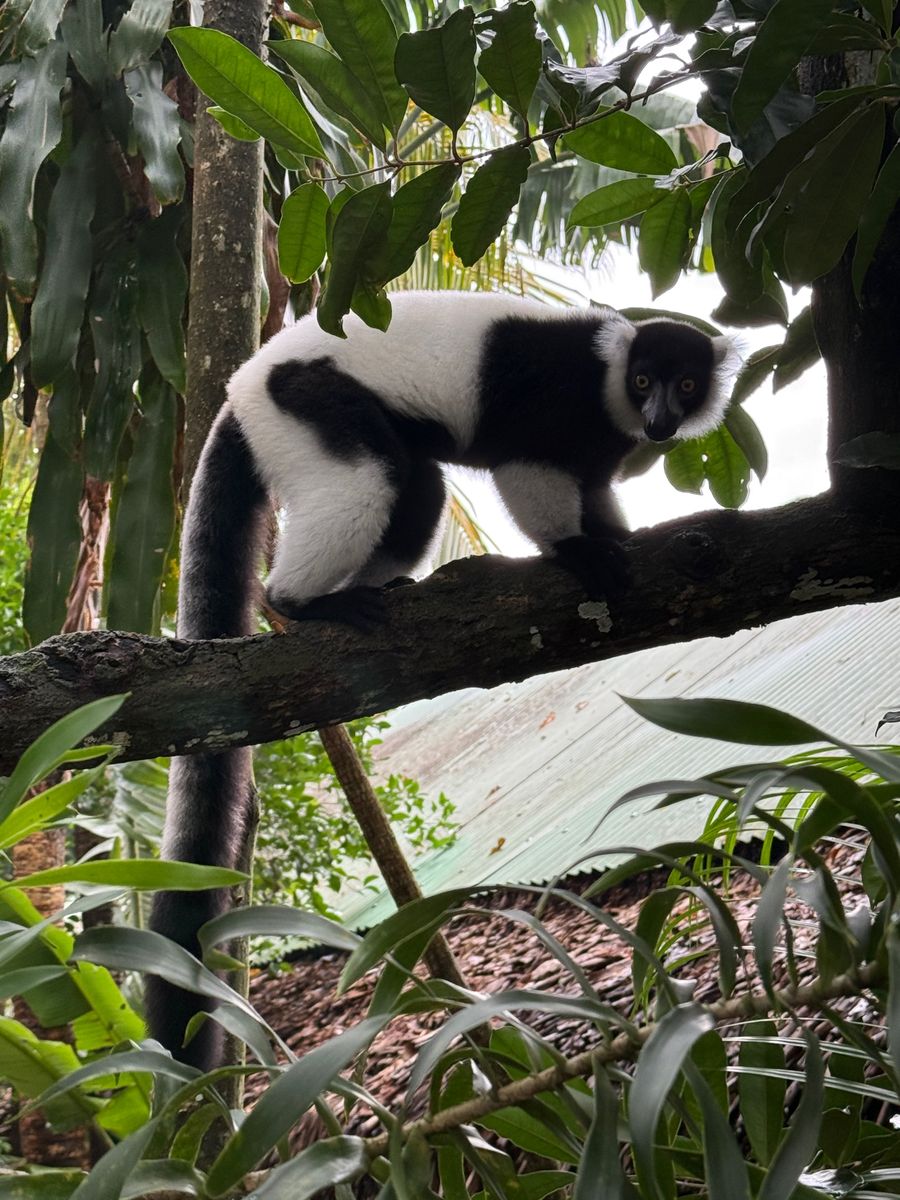
At Palmarium, we ate lunch before joining a guided walk. I especially liked the black-and-white ruffed lemurs: watching them among the branches was far more absorbing than I had expected. We also saw a small chameleon. The boat journey and reserve walk made a rewarding combination, provided I treated the travel as part of the day.
Several lemurs were accustomed to people, and observation was close. This felt different from tracking wary animals through a large national park. If your priority is a minimally managed wildlife encounter, ask the operator how each visit works before booking.
The evening aye-aye observation was also managed. During my visit, coconut was used to attract the animals to viewing points. One animal retreated when a light came on too early; we later saw an aye-aye at another point. Sightings and behavior are never guaranteed.
Follow the guide’s lighting instructions, keep your own distance and do not touch or feed the animals. The paths were very dark on my visit, so ask about footing and access needs in advance rather than assuming the evening walk suits everyone.
How to compare a Palmarium package quote
Our group had only three paying travelers, with private vehicle and boat arrangements. The total felt expensive, and we were not given a detailed cost breakdown. I would request one earlier next time.
The current Palmarium tariff page distinguishes private from collective boat transfers and varies charges by group size. It also separates accommodation, meals and night visits. Check whether each quoted amount is per person, per boat, per night or per transfer leg; do not read a route shown in both directions as an automatic round-trip inclusion.
- Transport: city pickup, road legs, boat legs, fuel, waiting time and return destination.
- Accommodation: exact property, room arrangement, meals and the procedure if the lodge changes.
- Visits: reserve admission, daytime guiding, aye-aye excursion and any additional boat needed for it.
- Extras: drinks, tips, payment fees and any amount payable locally.
- Disruption: cancellation terms, weather decisions, replacement transport and emergency contacts.
We paid online by card and could split payment among the three of us. That was our arrangement at the time; ask what methods and fees apply to your own booking. An inquiry form or payment request alone is not confirmation of the lodge and complete itinerary.
A practical overnight sequence
Before the trip: confirm the lodge, pickup location, boat plan and return arrangements in writing. Save screenshots and phone numbers offline. I had poor mobile reception during our initial meeting with the operator, which made finding the vehicle unnecessarily complicated.
First day: transfer to the waterways, travel to Palmarium and allow time for the reserve visit. If you include aye-ayes, plan the evening and subsequent lodge transfer together. Do not fill the day with extra stops until the operator has confirmed that sequence.
Second day: allow the return journey to be the main commitment. We encountered heavy rain and a temporary engine problem on our way back. I would avoid building this into a tight same-day flight connection; discuss an additional night in Toamasina if an onward departure has little flexibility.
A second night near the reserve may suit travelers who want a less compressed stay, but confirm what activities and transfers it actually removes or adds. More nights at a distant lodge do not automatically solve the route problem.
What to pack and check before departure
Keep rain protection, a dry bag, a light warm layer, drinking water, a charged power bank and any essential medication accessible on the boat. Ask about toilet stops before departure. Wear a properly fitted life jacket, and confirm that the operator provides one for every passenger.
For health preparation, CDC’s Madagascar guidance recommends malaria prevention medication for areas outside Antananarivo. Discuss your itinerary with a travel-health clinician before departure and follow mosquito-bite precautions. CDC also advises against swimming in fresh, unchlorinated lakes and rivers because of schistosomiasis risk.
Check the current Madagascar safety and weather advice before committing. The FCDO identifies November to April as cyclone season and warns that storms can disrupt transport. Confirm local conditions with the operator and make sure your insurance covers the itinerary and evacuation needs.
Would I choose this trip again?
Yes, for the combination of waterways, lemurs and the evening aye-aye observation. I would change the planning order: reserve a suitable lodge first, then work backward through the boat legs and return day. The most useful question is not just whether Palmarium is worth visiting, but whether the exact package gives you enough time to enjoy it.
Based on my March 2026 trip with two friends. Official access, reservation and travel-health information checked November 13, 2026; confirm arrangements for your own dates.