Cusco 3-Day Itinerary: A Slower Plan for Your First Visit
For a first visit, give Cusco three city days: a quiet arrival day, a central-city day around Qorikancha and San Pedro, then time for San Blas, with Sacsayhuamán as an optional substitution. Keep Machu Picchu outside those three days. The point is to have room for rest and changes, rather than fill every gap with another excursion.
My own time in Cusco was much shorter, squeezed between the Sacred Valley, Machu Picchu, and a flight back to Lima. San Blas became one of my favorite walks, but I only saw Qorikancha from outside. This suggested Cusco 3-day itinerary gives those places more time than I had; it is not a three-day trip I personally followed.
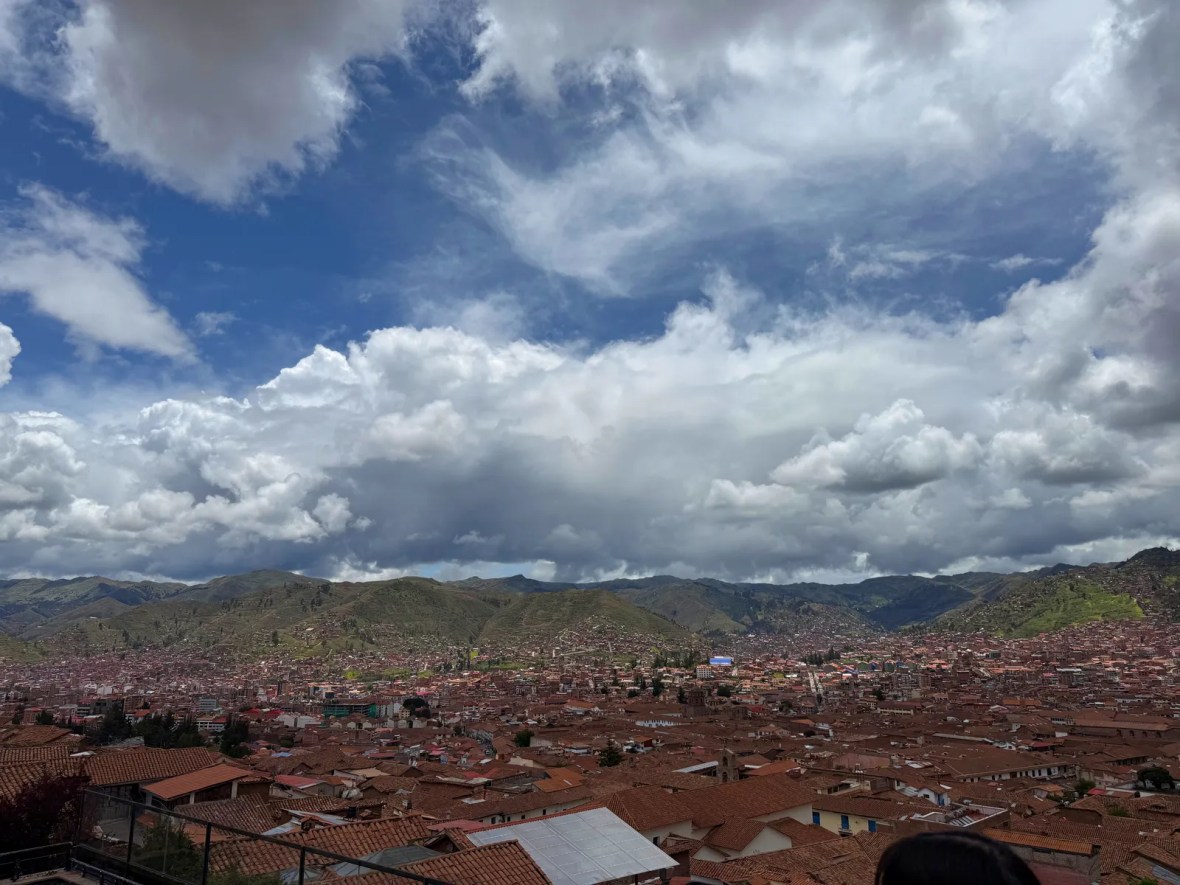
Official visitor information checked October 12, 2026. Featured photograph: my view over Cusco from San Blas.
Cusco 3-day itinerary at a glance
| Day | Main plan | What to leave flexible |
|---|---|---|
| 1: Arrival | Check in, rest, and take a short look around Plaza de Armas if you feel well | Everything beyond a nearby meal |
| 2: Central Cusco | Qorikancha, a long lunch break, then San Pedro Market if energy allows | Choose one stop rather than doing both |
| 3: San Blas | Twelve-Angled Stone, San Blas lanes, shops, and a relaxed lunch | Swap part of the day for Sacsayhuamán only if you are well and ready for more elevation |
These are suggested activity blocks, not a timed tour. A late arrival can make day one little more than dinner and sleep. If your third day is also a departure day, keep the local walk and drop the optional ruins.
Before choosing your first night: take the altitude seriously
Cusco is roughly 3,400 meters above sea level. A gentle schedule does not guarantee that you will avoid altitude illness. The CDC’s high-altitude guidance recommends gradual ascent, only mild exercise for the first 48 hours at altitude, and avoiding alcohol during that period. Fitness does not protect you from altitude illness.
Discuss your ascent plan and any preventive medication with a travel-health clinician before departure. Do not go higher with symptoms; worsening symptoms require descent. Breathlessness at rest, confusion, or trouble walking need urgent medical help and descent. A calendar day number is not medical clearance to climb.
The CDC notes that travelers flying into Cusco can sleep lower for one or two nights before ascending. If that fits your plan, move these city days later in the trip. My guide to staying overnight in Ollantaytambo explains the practical tradeoffs of using that Sacred Valley town before the train journey. An overnight stop there does not eliminate altitude risk.
Day 1: arrive, settle in, and keep the walk optional
Make the first task reaching your accommodation and getting settled. If you arrive before check-in, ask in advance whether there is somewhere to rest and leave bags. Avoid building the afternoon around a prepaid excursion you will feel obliged to take.
If you feel well, use Plaza de Armas as a small orientation stop. Look at the surrounding buildings, find somewhere nearby to eat, and head back when you have had enough. There is no need to start with a climb into San Blas or the hills above town.
Save the longer sightseeing decisions for the following morning. A useful first evening is one that leaves you knowing where breakfast is, how to contact your accommodation, and what can be canceled tomorrow. Keep the first meal close enough that getting back is straightforward.
Day 2: Qorikancha and the San Pedro side of town
Start with one substantial indoor visit
Qorikancha, also spelled Coricancha, is a good anchor for a day focused on central Cusco. The temple and Convent of Santo Domingo bring Inca stonework and later colonial architecture together. Allow a generous morning block for the visit and a break afterward instead of trying to fit several museums before lunch.
PROMPERÚ lists visiting hours as Monday–Saturday, 8:30 a.m.–5:30 p.m., and Sundays and public holidays, 2–5 p.m. If your second day falls on a Sunday or holiday, reverse the order and leave the temple for the afternoon. Reconfirm the day’s access before setting off, especially around religious events.
From my visit: I stopped for exterior photographs because we were short on time. The layered stonework was striking even from outside, but I would allow time for an interior visit on a longer return trip. I cannot offer a first-hand review of the exhibits.
Be precise when checking admission: the temple/convent and the Museo de Sitio Qorikancha are different visitor listings. Do not assume that seeing the museum name on a Cusco tourist-ticket list means every part of the complex is included. Confirm the entrance you actually want before paying.
Leave the afternoon for San Pedro, or simply rest
After lunch, head toward Plaza San Francisco, the Santa Clara arch, and San Pedro Market if you still want to explore. This moves the second part of the day to the market side of the center rather than adding San Blas’s uphill lanes.
Peru’s official city-walk guide describes San Pedro as a food market with local supplies, sweets, utensils, and eating areas. Treat it as a place to browse and observe, not a checklist of foods you must try. Ask permission before photographing vendors and keep purchases manageable for the walk back.
If one outing has been enough, end the day after Qorikancha. The itinerary still works without the market. Leave time to check tomorrow’s weather and decide whether to walk uphill at all.
Day 3: the Twelve-Angled Stone and an unhurried San Blas walk
Start from Plaza de Armas and make your way toward Hatun Rumiyoc for the Twelve-Angled Stone, then continue toward San Blas. The official city guide lists the stone as a free street-side sight. Give people room to pass and look without touching the historic masonry.
What I noticed: the appeal was how precisely the stone fitted into the blocks around it. I had somehow imagined twelve surrounding stones before seeing the actual twelve-cornered block. It is a short stop, but looking closely made it more interesting than simply collecting a photograph.
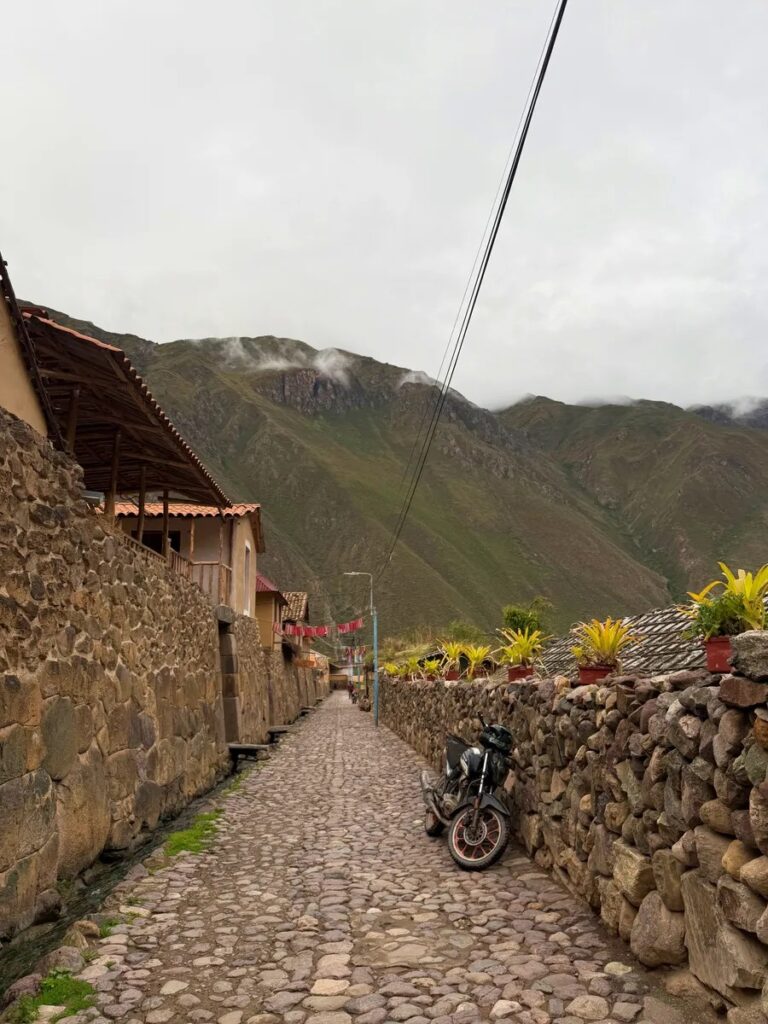
Continue only as far into San Blas as feels comfortable. On my walk, the narrow sloping streets, little shops, studios, and colorful buildings became more memorable than I expected. Higher up, the red roofs and surrounding hills opened into a broad city view. I would happily give this neighborhood half a day on a return visit.
PROMPERÚ’s San Blas overview also emphasizes its artisan character. Leave time to look inside a few workshops, stop for a drink, and choose your own turnaround point. A map’s short distance does not reflect the slope or how often you may want to stop.
For a gentler version, see the stone, choose a nearby café, and turn back. If you arrived late on day one, the morning of day three may still be within your first 48 hours at altitude. Save the fuller uphill walk for later rather than treating the itinerary as a deadline.
Optional swap: Sacsayhuamán
If you feel well after allowing time to adjust and want more archaeology, consider replacing part of the day with Sacsayhuamán, on the hill north of the historic center. Arrange a ride and the return pickup to avoid adding the uphill approach on foot; the site visit itself still involves walking. This is a researched option, not somewhere I am claiming to have visited.
The official Circuit I listing groups Sacsayhuamán with Q’enqo, Puka Pukara, and Tambomachay. You do not need to visit all four just because they share a ticket. For this slower plan, choosing one site and leaving the rest of the day open is reasonable.
The current COSITUC tariff lists the foreign-visitor Sacsayhuamán partial ticket at S/70 and the general integral ticket at S/130. Compare the included places with the rest of your trip before choosing. Check the current sales arrangements, validity, and site hours directly; do not rely on an old screenshot or assume the larger ticket covers Machu Picchu.
How to fit these days around Machu Picchu
Use this itinerary for time in Cusco itself. Machu Picchu adds separate transport and an entry plan, so squeezing it into day two changes the trip completely. With only three days total in the region, choose between a fuller Cusco visit and a much tighter journey centered on Machu Picchu.
If you are continuing through Ollantaytambo, decide where the road transfer, train, overnight stop, and luggage collection belong before reserving nonrefundable rooms. The Ollantaytambo overnight decision guide covers that connection in detail. Keep your final Cusco sightseeing block flexible around confirmed departure arrangements.
What to change when time or energy runs short
- Only two city days: keep the quiet arrival, then choose Qorikancha or a short stone-and-San-Blas outing. Drop the optional ruins.
- Rain interrupts the walk: shorten San Blas and move an indoor visit into its place, checking the day’s opening hours first. Do not rush wet stone streets to preserve the order.
- You already spent time at altitude: you may have more flexibility, but decide from how you feel and your ascent plan, not from a desire to complete every stop.
- You need more rest: remove an outing. Three days creates breathing room; it does not make sightseeing mandatory.
The change I would make to my own short Cusco visit is simple: give San Blas time, leave space to enter Qorikancha, and avoid attaching both to a rushed departure. Three city days lets you enjoy those choices without turning every morning into a race.