Is Seongsu Worth Visiting? A Practical Half-Day Plan
Seongsu is worth visiting if you enjoy Korean fashion, beauty stores, and cafés with distinctive interiors. For a short first trip to Seoul, I would make it optional unless you already have a shop or café you want to visit. Give the neighborhood two to three hours for browsing and a coffee; allow a half day if you also want lunch and a walk in Seoul Forest.
I visited with Korean friends and found the neighborhood less absorbing than I expected. The storefronts were striking, but I did not find much I wanted to buy. Lunch and a café stop gave the outing more purpose. If you are asking “is Seongsu worth visiting?”, that is the distinction that matters: what would you actually enjoy doing there?
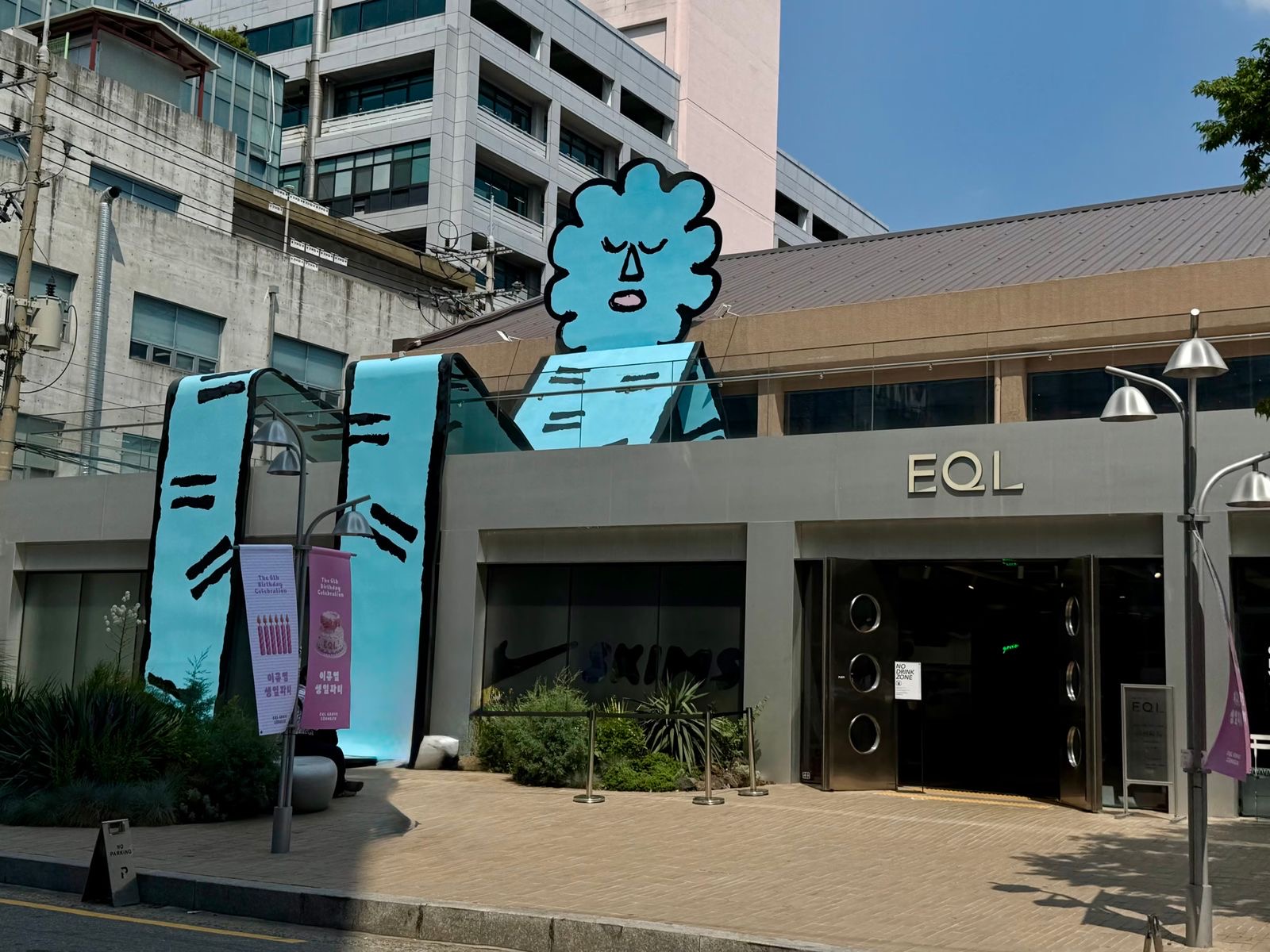
Practical information checked September 17, 2026. The visit impressions and featured photograph describe an earlier trip; temporary displays and pop-ups change.
Is Seongsu worth visiting for your kind of trip?
- Make time for it: you have a specific Korean brand, design space, or café on your wish list.
- Keep it flexible: you have already seen your priority sights and want an afternoon of browsing, coffee, and park time.
- Skip it this time: your Seoul stay is short, you do not enjoy shopping, and you would be going mainly because it keeps appearing on social media.
Seongsu rewards a little selection. Before adding it to your itinerary, save one main stop and one backup. If neither sounds especially interesting once you look beyond the photographs, use that afternoon elsewhere.
For a first visit focused on palaces and traditional neighborhoods, I would protect that sightseeing time before adding Seongsu. If Korean fashion or beauty is a main reason for your trip, your priorities may be different.
What the neighborhood felt like on my visit
I liked looking at the spaces more than shopping in them. I passed MUSINSA and a Miffy shop without feeling much urge to linger. That is a matter of taste: the things that make a compelling afternoon for a brand enthusiast did not particularly interest me.
The walking conditions also affected my enjoyment. On the streets I used, pedestrians shared space with cars and delivery vehicles, and I found that frustrating. I would not plan the outing around the idea of an entirely pedestrian shopping district.
The part I enjoyed most was having lunch with my Korean friends at Neungdong Minari, then going to SOUND PROVIDER for a café stop. Those were stops on my earlier visit, rather than a reason to copy the whole day. Choose somewhere that suits your food preferences and check its current listing before you go.
For a solo traveler, the appeal is being able to browse at your own pace and stop for coffee whenever you want. But my visit was with friends; I would not use that experience to promise how a particular restaurant will handle a solo diner.
Choose the station around your first stop
Seongsu is a neighborhood, so searching only its name can leave you with an inconvenient starting point. Pin the actual shop, café, or park entrance first, then choose the station.
| Station | Line | When to consider it |
|---|---|---|
| Seongsu (성수) | Line 2 | Starting with the shopping and café streets around Yeonmujang-gil. |
| Ttukseom (뚝섬) | Line 2 | Starting on the western side of the neighborhood or approaching Seoul Forest while staying on Line 2. |
| Seoul Forest (서울숲) | Suin–Bundang Line | Starting at the park or the nearby café streets. |
The city’s parks directory lists both Seoul Forest and Ttukseom stations for park access. Visit Seoul lists Seoul Forest Station exits 3 and 4 for the park. For a particular shop, use its own map pin rather than automatically following a park exit recommendation.
Check the complete journey from your accommodation. A closer station at the destination is not always worth an extra transfer. If stairs are a concern, check the station’s elevator route separately.
A flexible Seongsu afternoon, with an easy stopping point
This is a suggested plan, with time allowances for choosing a few stops. It is not a timed record of my visit.
- Begin with your main stop. Allow around 45–60 minutes for the shop, café, or exhibition that made you choose Seongsu. Check opening times before deciding when to arrive.
- Browse a short stretch of Yeonmujang-gil and nearby streets. Give this another 30–45 minutes, extending it only if you are enjoying the stores. Visit Seoul’s Seongsu walking course is useful for locating the shopping street and nearby stops.
- Take one proper café break. Set aside roughly 45–60 minutes. If your first stop was already a café, use this time for browsing or leave earlier.
- Add Seoul Forest if you want more outdoor time. Allow another hour or more for getting to the park and walking, depending on where you finish shopping. Check the route from that final stop rather than treating the whole neighborhood as one point.
Lunch, queues, and a booked event can turn that into a longer outing. Keep one part optional so a slow lunch does not make the rest feel rushed. If you are ready to leave after coffee, there is no need to complete every stop.
Seoul Forest: a useful addition, with separate facility hours
Seoul Forest gives the afternoon a different focus when you have had enough of stores. The official visitor page lists free admission and 24-hour access to the general park, but individual facilities have shorter hours.
For example, the Insect and Plant Garden is listed as open 10 a.m.–5 p.m. outside winter and closed on Mondays. Other facilities have their own seasonal schedules. An open park does not mean every garden, visitor facility, or activity is available.
For this outing, a simple daylight walk is enough. If a specific garden or event matters to you, check its current notice and arrange your shopping around that opening window. In heavy rain or uncomfortable heat, shorten the outdoor section instead of committing to the full route.
What to check before leaving for Seongsu
- Exact location: confirm the Seongsu branch and save its Korean name and address.
- Pop-up dates: use the organizer’s current announcement. An old photograph does not establish that an event is still running.
- Entry arrangements: check whether your chosen event accepts walk-ins or needs a reservation, and whether the booking process works for you.
- Opening and kitchen hours: verify the individual venue, especially if lunch is the main reason for going.
- Walking conditions: wear shoes you can comfortably walk in and stay alert to vehicles when stepping back for photographs.
I would return to Seongsu for a particular place, rather than set aside a day just to wander again. Pick a reason to go, leave room to change your mind, and the neighborhood is easier to fit into a Seoul trip. If you are still choosing a base, compare the areas in my guide to where to stay in Seoul before building your daily routes.